Faculty Guide to Student Support
Faculty Guide to Student Support
There are a number of campus resources that are available to help our students thrive and provide them support to promote their health, wellness and wellbeing. The resources listed below include materials you can share directly with students and information on the following:
- How to assist a student in distress,
- Campus resources on issues related to Title IX concerns such as sexual harassment and misconduct, and
- Resources on mental health and mental health challenges. The resources below are intended to be useful for faculty and staff who work with undergraduate or graduate students.
Student Wellbeing Campus Resources

The Wellness Center offers Confidential Survivor Advocacy to SCU students who have been impacted by interpersonal harm.

CAPS 24/7 is a supplemental service for SCU students, offering teletherapy, crisis support, referral support and more.
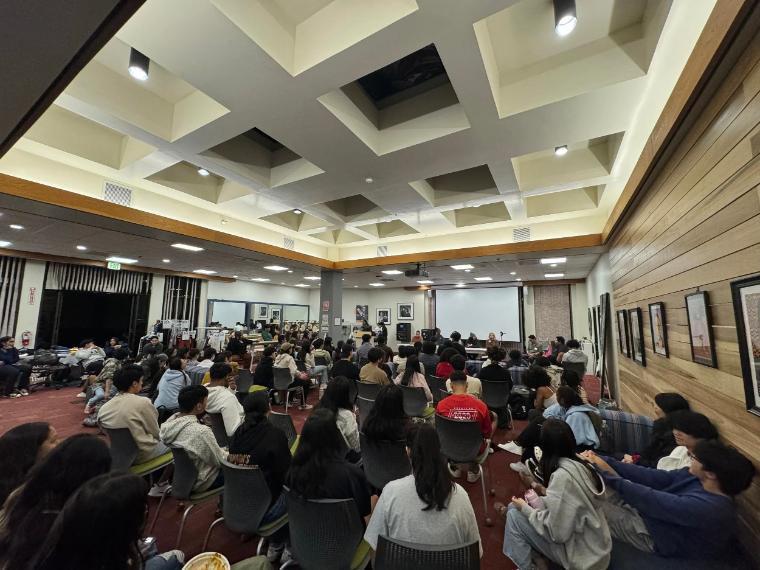
Learn more about chartered student organizations (CSOs) and registered student organizations (RSOs) advised and supported by the Center for Student Involvement.
SCU resources to support students’ academic success and overall well-being.
Student Campus Wellbeing Resources
There are a number of campus resources that are available to help our students thrive and provide them support to promote their health, wellness and wellbeing. The resources listed below include materials you can share directly with students and information on the following: 1) how to assist a student in distress, 2) campus resources on issues related to Title IX concerns such as sexual harassment and misconduct, and 3) resources on mental health and mental health challenges. The resources below are intended to be useful for faculty and staff who work with undergraduate or graduate students.
SCU Student Wellbeing Resources Camino Page
Students spend a lot of time in Camino - now we have a way you can put information about campus wellbeing and mental health resources right at their fingertips! Did you know that faculty can import the SCU Student Wellbeing Resources page from Canvas Commons and add it directly to the welcome module in your Camino courses? This resource is appropriate for both undergraduate and graduate students.
Faculty Reporting Obligations
Effective January 1, 2022, per California Senate Bill 493, all staff and faculty members are considered Mandatory Reporters of incidents or concerns involving Gender-Based Discrimination, Harassment, and Sexual Misconduct.
The term Mandatory Reporter or "Responsible Employee" means an employee who has the authority to take action to redress sexual harassment or provide supportive measures to students, or who has the duty to report sexual harassment to an appropriate school official who has that authority. Read more about Faculty Reporting Obligations.
Assisting a Distressed Student: Resources
The SCU Culture of Care website has information on how to recognize and respond to a student in distress, including information on completing a Student of Concern report.
Resources on Title IX and Sexual Harassment and Misconduct
The Office of Equal Opportunity and Title IX addresses complaints of discrimination, harassment, sexual harassment and sexual violence. As faculty, a student may come to you and share that they have experienced any of the above or may mention it in a class or assignment. As a Mandatory Reporter you are required to report incidents of sexual misconduct that students share with you inside or outside of class and can do so by submitting an anonymous report (EthicsPoint) or Non-Anonymous Report directly to Title IX. If students want to discuss a sexual harassment or sexual violence incident with someone at SCU who is not a mandated reporter, you can refer them to these confidential resources or the following individuals:
- Confidential Survivor Advocate
- A professional therapist serving in their capacity as a therapist, including the therapists at CAPS
- Clergy operating in their capacity as clergy at SCU or elsewhere. Campus Ministry
- Any individual acting in a professional capacity for which confidentiality is mandated by law
Additional Digital Resources for Teaching (DRT)
The Teaching During Crisis page helps you think through classroom practices before, during, and after moments of crisis and trauma. These resources can be useful to help you respond to national or international events that impact our students as well as local events that may impact our campus community.
Mental Health First Aid and QPR Trainings
For those who want more in-depth preparation to respond to student situations, consider completing Mental Health First Aid (MHFA) training. MHFA is an 8-hour training, with about 2 hours of work that needs to be completed ahead of time. Training opportunities are usually announced via email each term. SCU also offers quarterly trainings for faculty in QPR, which stands for Question, Persuade, and Refer–3 simple steps anyone can learn to help save a life from suicide and to recognize the warning signs of suicide crisis. If you have any further questions, please feel free to reach out to SCU’s QPR coordinator at 408-551-1582.
Page author:
Mythri Jegathesan, Associate Professor of Anthropology and Faculty Associate
Last updated: Nov 6, 2024